
A robot can become a favourite toy, a first coding teacher or just gather dust on a shelf. It all depends on how well it fits the child’s age and interests. Here is what to look at when choosing.
First decide what the robot is for
Kids’ robots fall roughly into three groups. Emotional companion robots respond to voice and touch and become a “pet”. Talking robots with a screen tell stories and answer questions. Programmable robots and kits teach logic and code: the child sets their movements and behaviour.
If the goal is fun and companionship, choose a companion. If you want play that develops skills, look at programmable models and STEM kits.
Ages 3–5: simple and responsive
At this age what matters is an instant reaction and no complicated setup. The robot should respond to touch or voice, show emotions and not need a smartphone for every game.
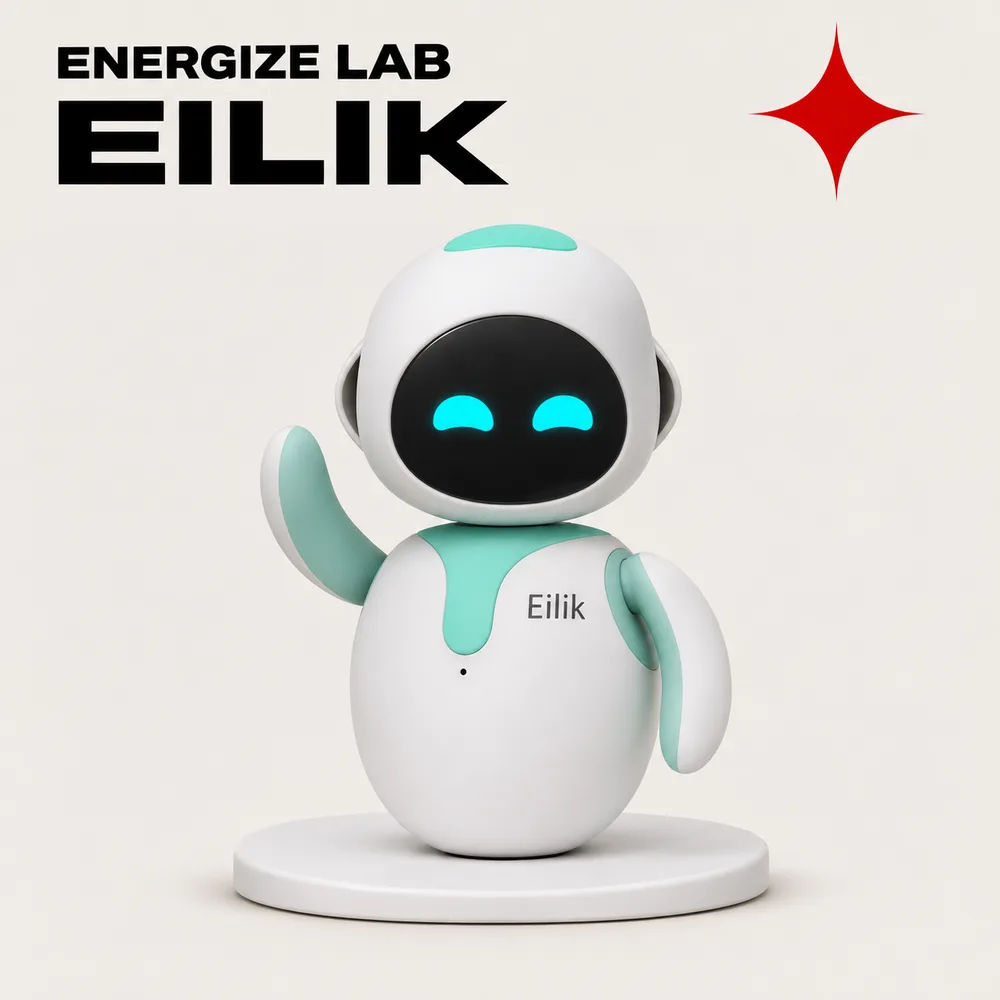
- Eilik is a palm-sized desk robot that shows emotions, sings and reacts to touch.
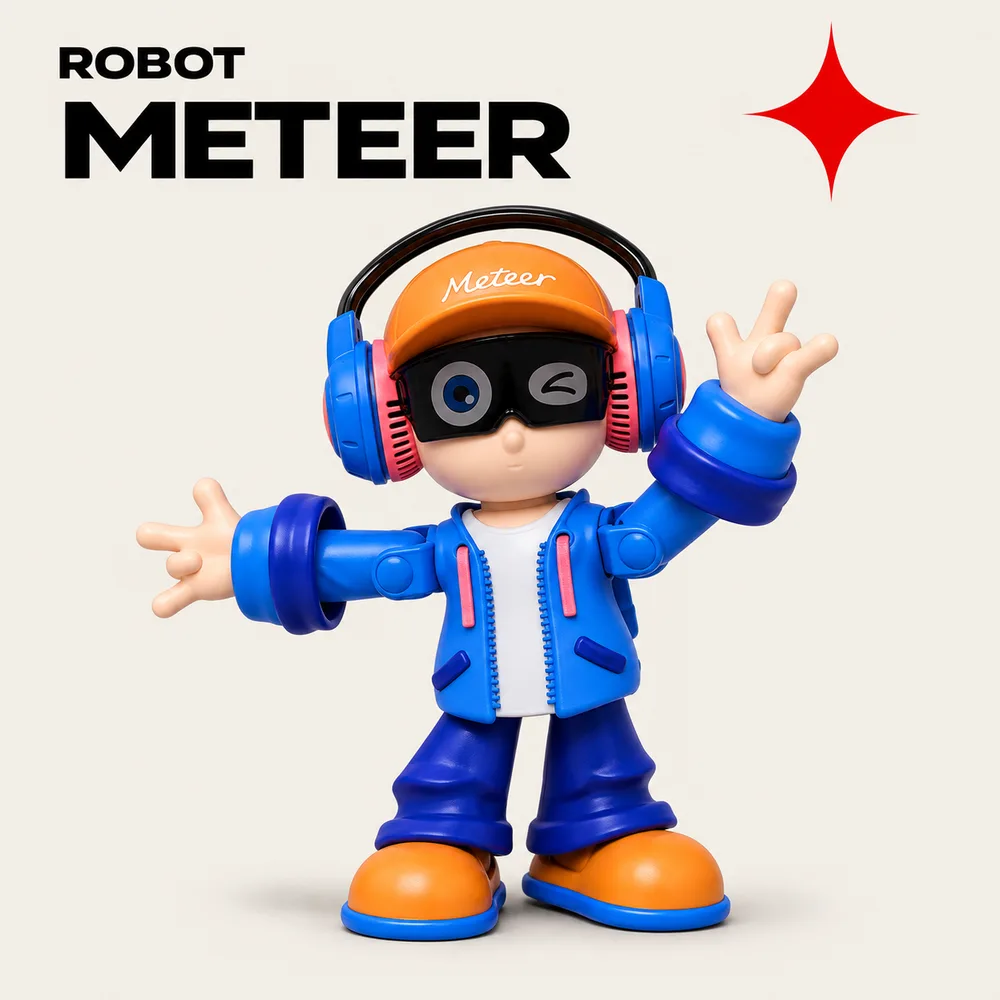
- Meteer dances to music and follows voice commands.
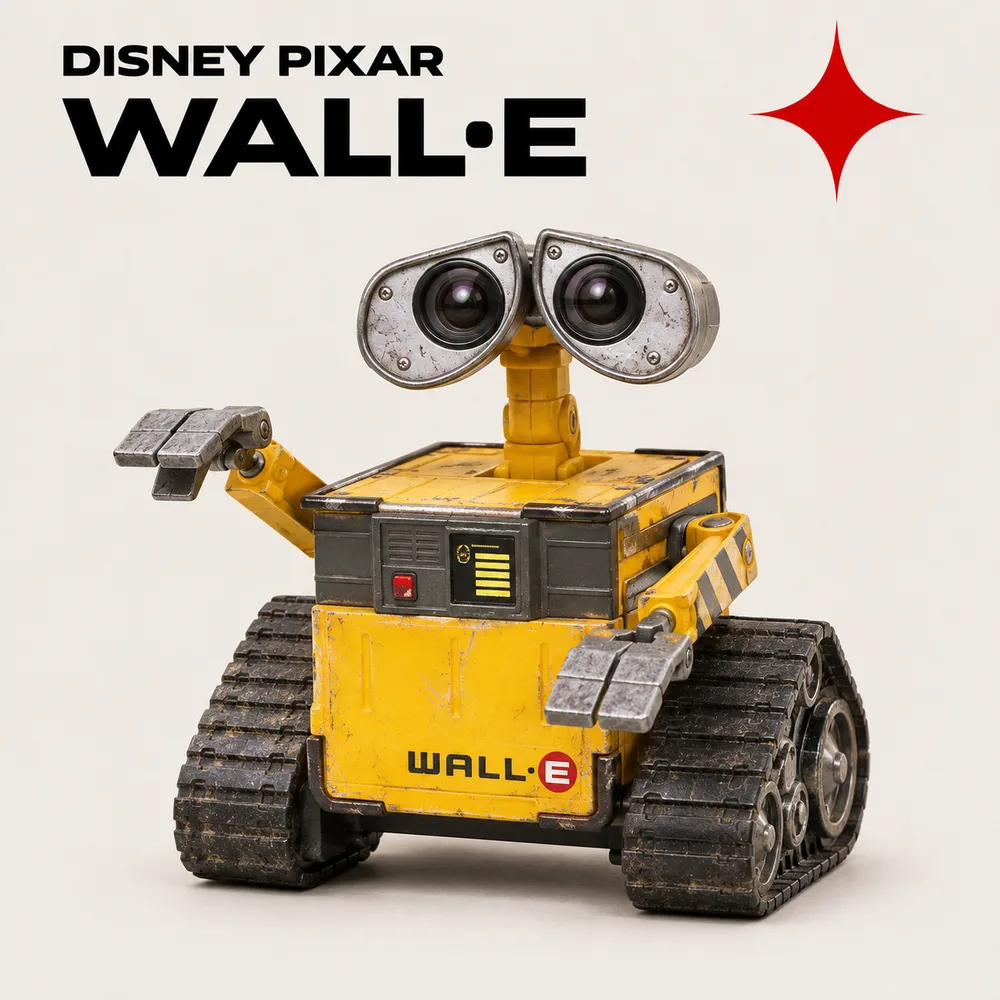
- WALL·E is the film hero on a remote: he drives, moves his arms and says phrases.
Ages 5–8: talking robots and first programs
The child asks lots of questions and is ready for simple rules. Robots with a screen and voice work well here: they offer games, quizzes and stories. This is also the age to meet code through cards and blocks, without reading long instructions.
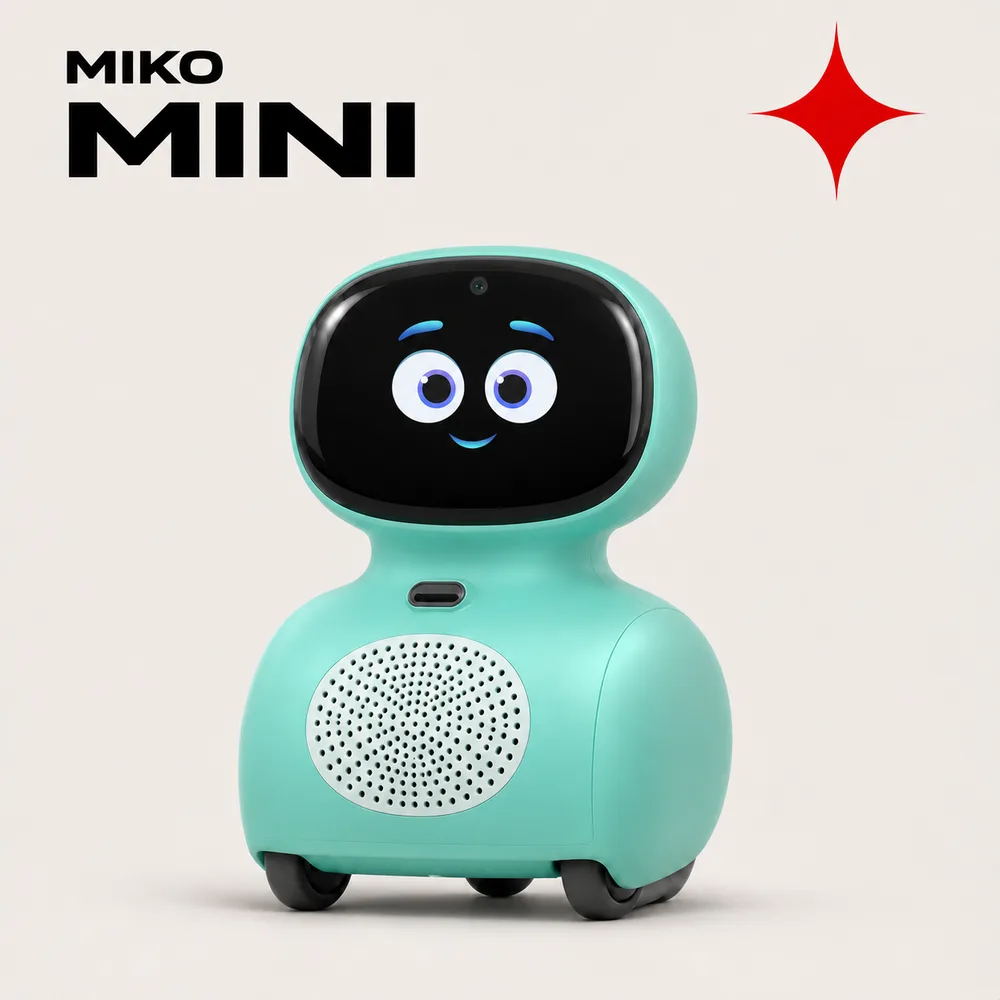
- Miko Mini and Miko 3 talk with the child, answer questions and offer learning games. Note that some content requires a subscription.
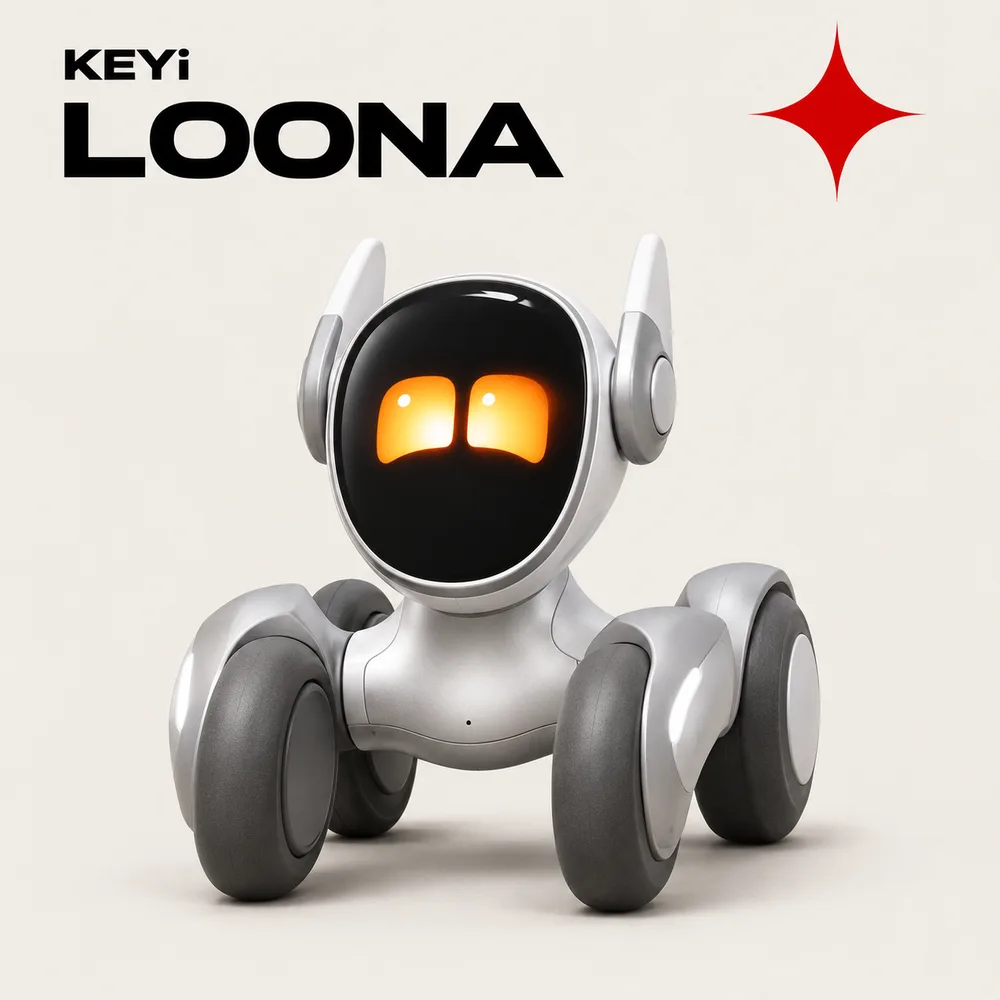
- Loona is a robot pet that recognises its owners and learns tricks.
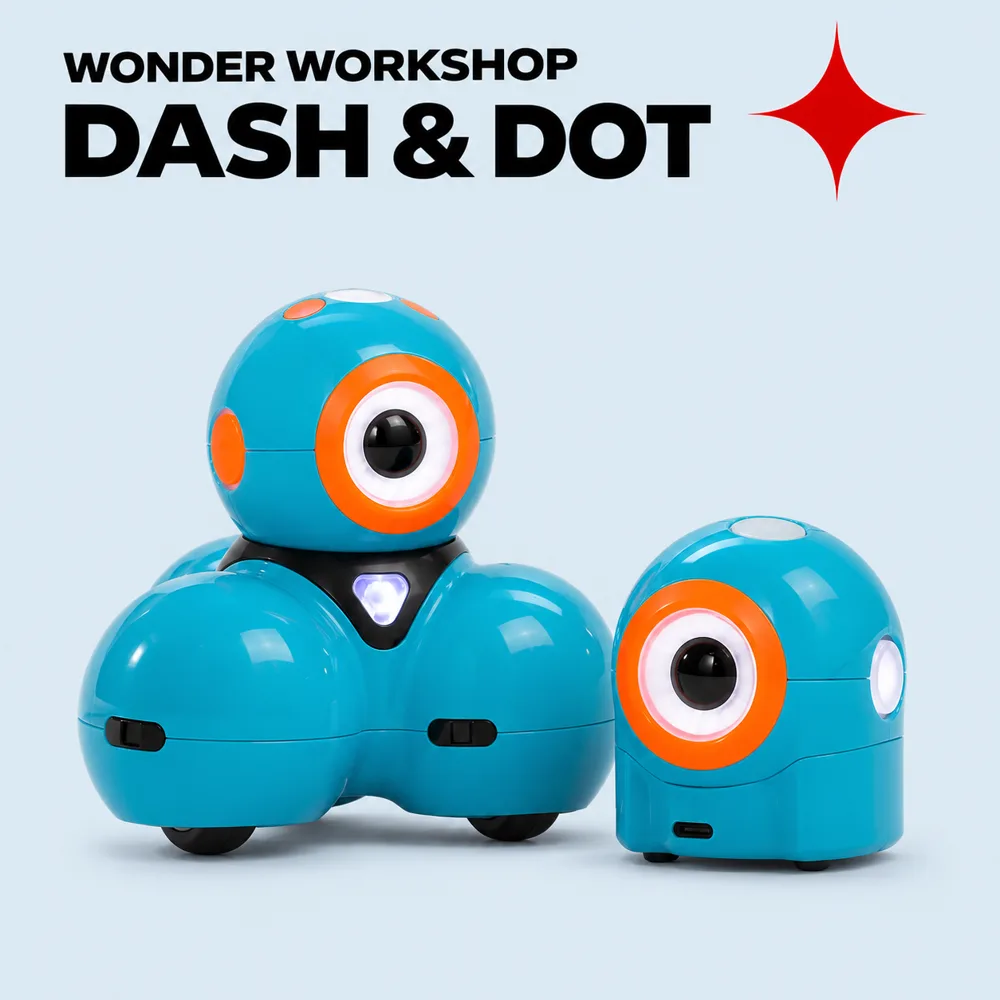
- Dash & Dot are two robots on which children from 6 write their first programs in an app.
Ages 8–12: build kits and real code
A school-age child wants not only to play but to build. Robot kits give two pleasures at once: first build a model with motors and sensors, then program it. Block coding here is a step towards a text language.
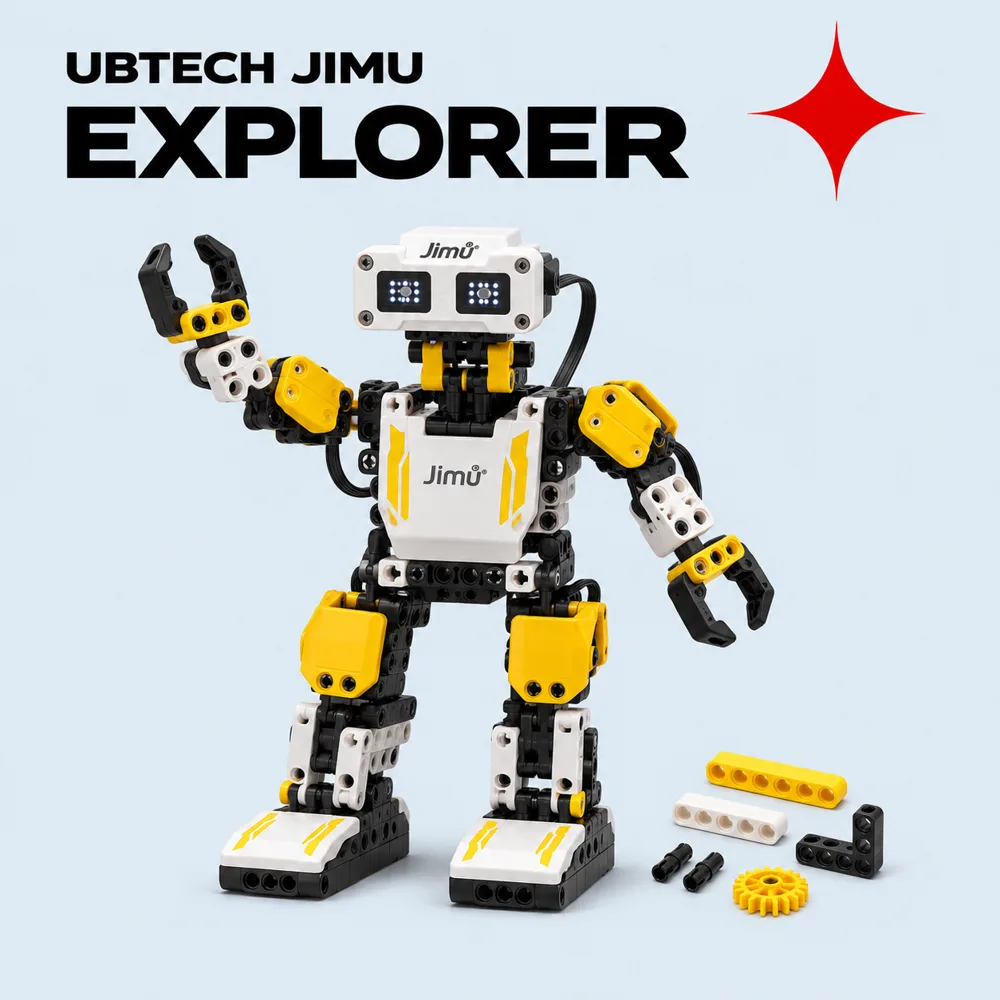
- UBTECH JIMU kits with 372–632 pieces: a dinosaur, a basketball player or a fire dragon programmed in Scratch.
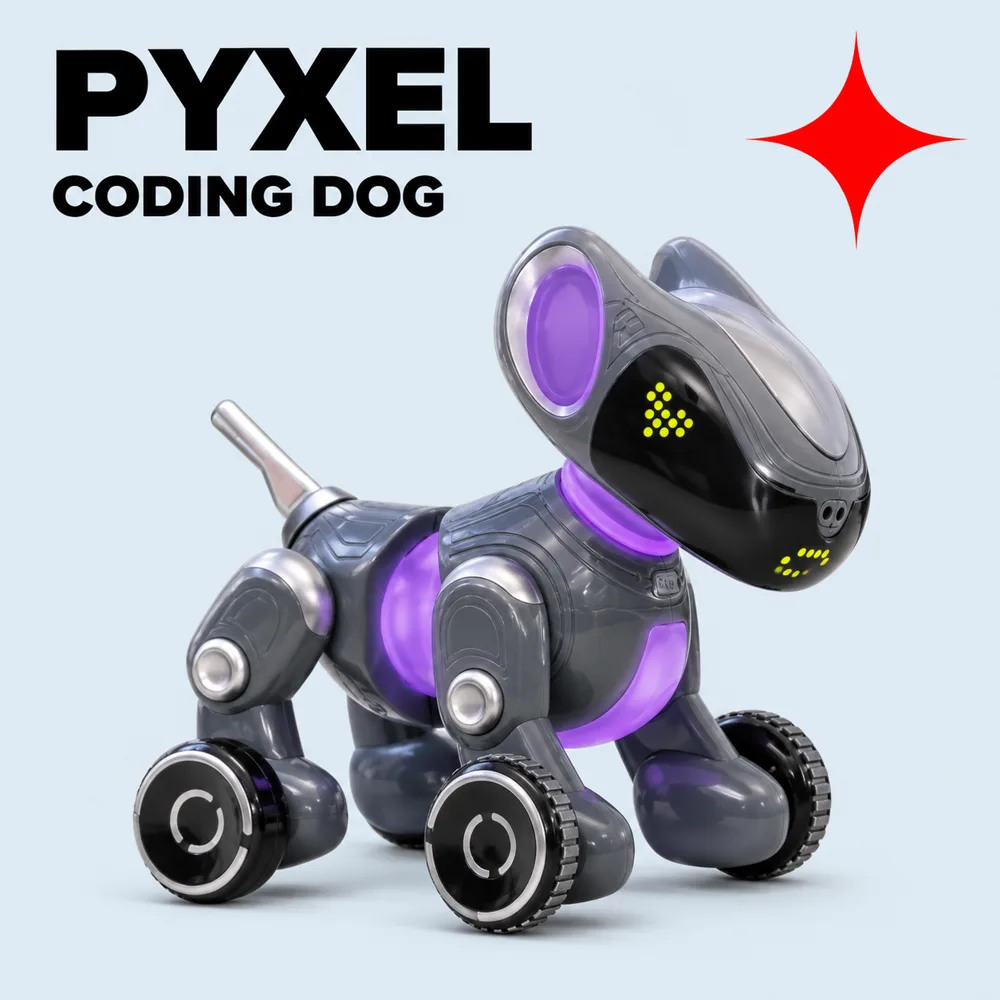
- Pyxel is a robot dog you program first with blocks and later in Python.
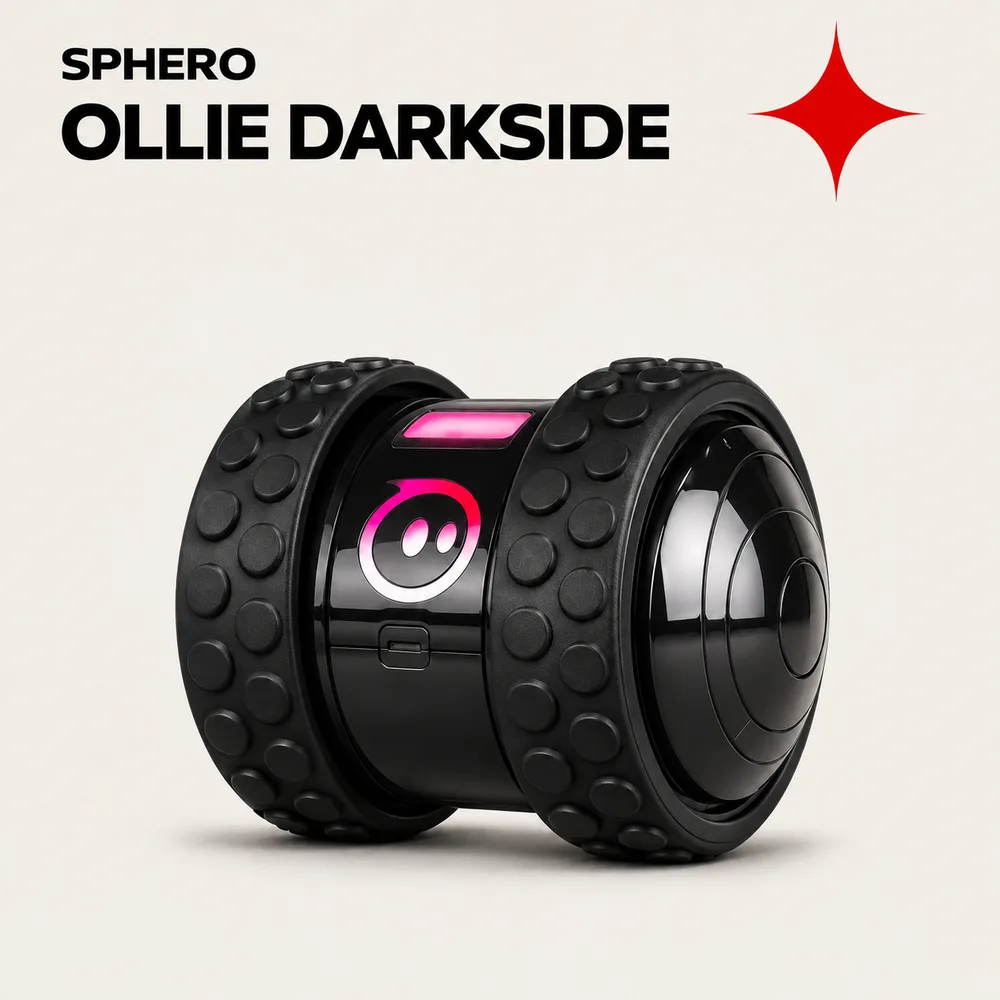
- Sphero Ollie Darkside is a fast stunt robot that can also be programmed.
12+ and adults: humanoids and transformers
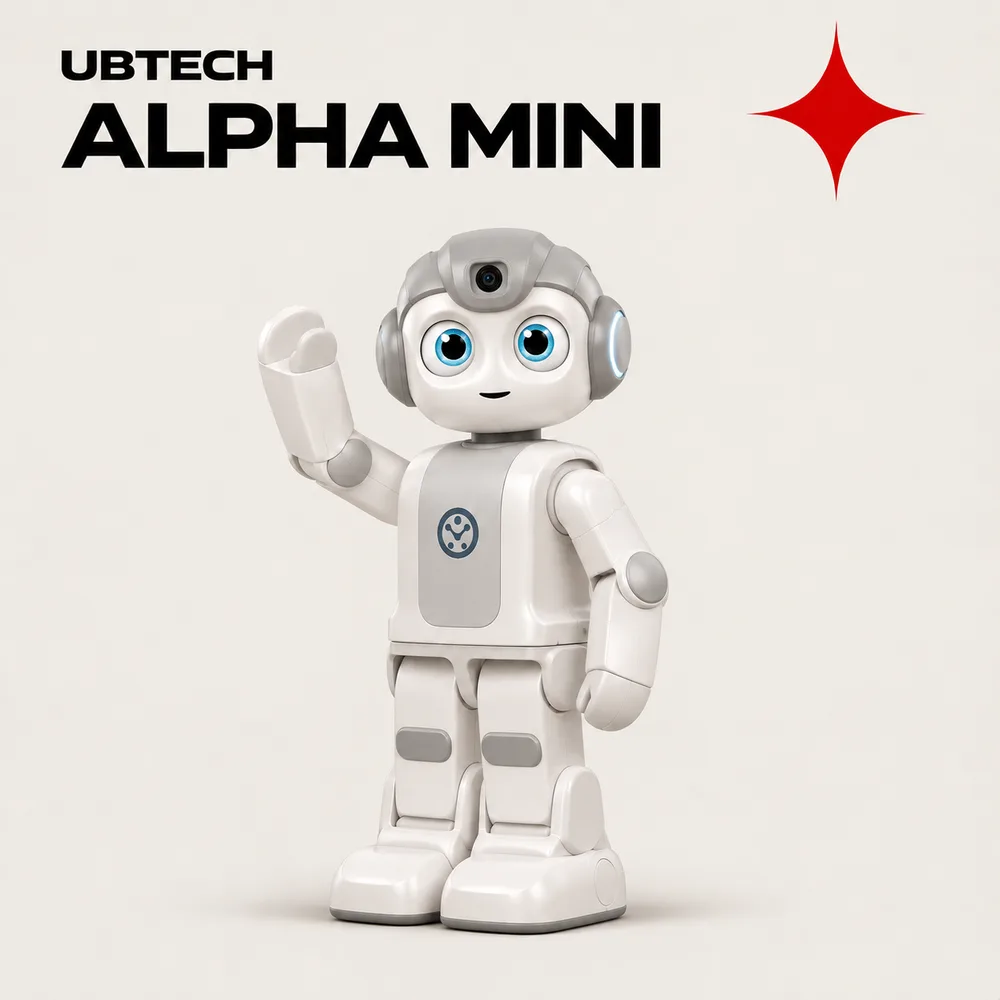
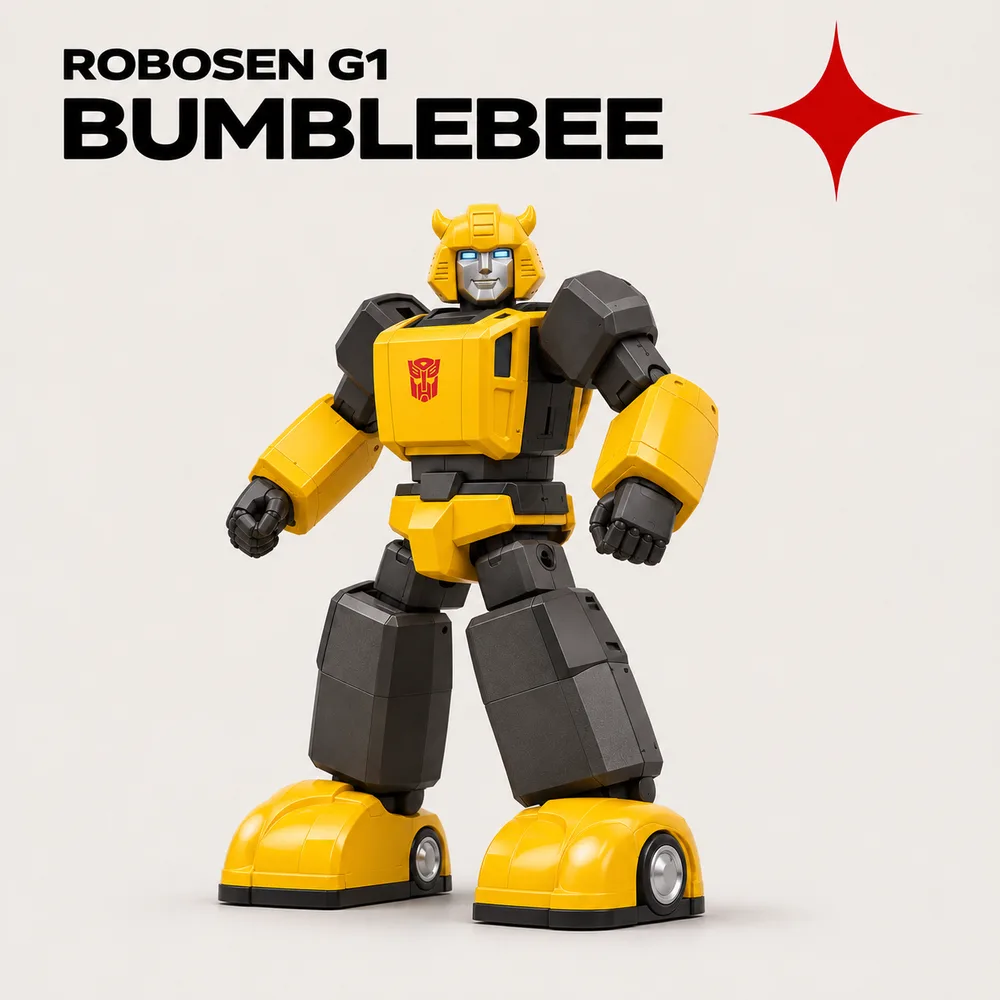
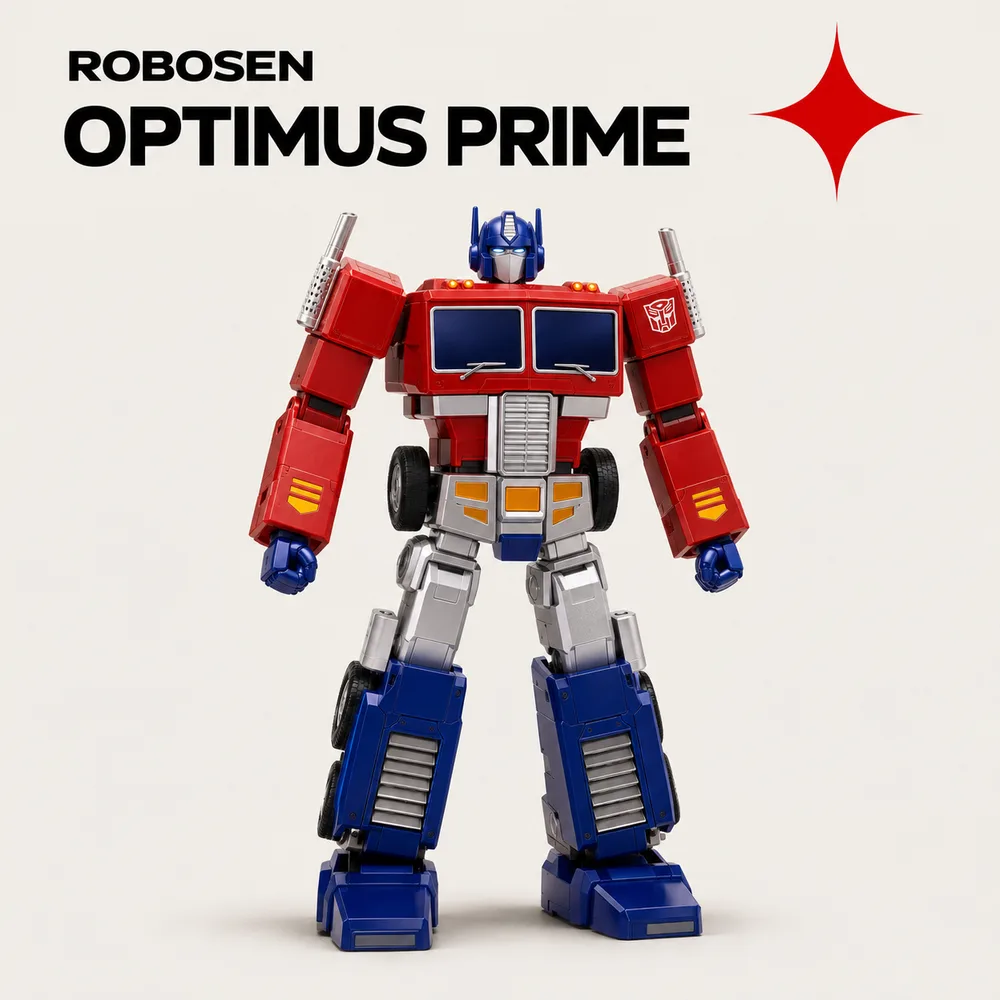
Teenagers will enjoy robots for learning robotics seriously, such as the UBTECH Alpha Mini with a camera, microphones and text-based programming. Adult fans will love Robosen collector transformers that change shape on a voice command.
Checklist before you buy
- The age on the box: don’t buy more than 1–2 years “to grow into”.
- Whether a smartphone or tablet is needed and whether yours is compatible.
- The robot’s language: many models speak English only.
- Battery life and how it charges.
- Whether content needs a subscription and how much it costs.
Not sure? Message us on WhatsApp, tell us the child’s age and hobbies, and we will pick 2–3 suitable options.